The Reality About Teeth Whitening: Risks And Negative Effects
What Lags Your Smile?
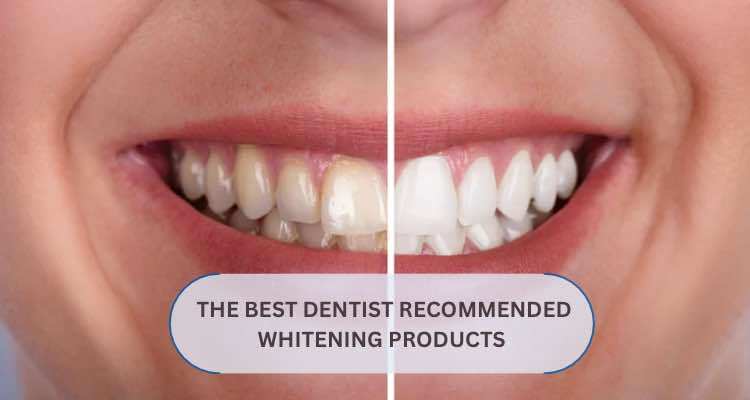
Specialist lightening treatments-- which utilize more powerful focus of hydrogen peroxide or carbamide peroxide-- may bring faster and extra dramatic results. A 30-minute session with your dental practitioner may be all you need for a a lot more radiant smile. Although teeth bleaching treatment is thought about safe, some people experience mild side effects. The dispute is greatly as a result of research styles and methodology which are very divergent. The studies are heterogeneous and the results can not be made use of in a meta-analysis. Several of these researches have actually found that aggressive bleaching treatments can alter the surface Sensodyne Pronamel honesty, microstructure of enamel crystals, and vulnerability to demineralization.Use Desensitizing Items
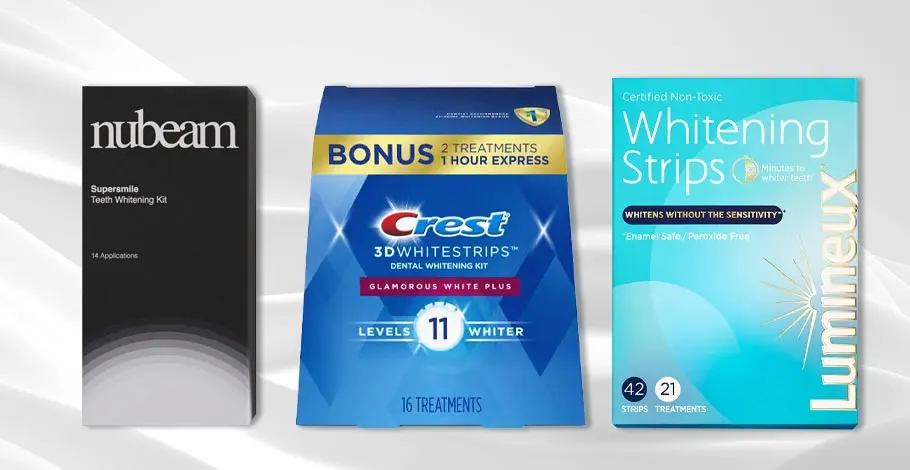
The items have actually been around for years, and numerous individuals utilize them-- consisting of plenty of dental experts, notes Dr. Clemons. " And we haven't seen a rise in troubles like tooth cavity danger or tooth cracks after whitening," she includes. Lightening gels can aggravate the gum tissues if they are available in direct contact with soft tissues. Making use of customized trays or specialist dental whitening can lessen this threat. Typicalside effects of store-bought bleaching items take place from the abuse of the gelsolution. Constantly discuss with your dental professional prior to beginning teeth lightening, particularly if you intend to do it yourself, to choose if you are a good candidate. If you have dental fillings, crowns, or veneers, these dental repairs will not whiten like all-natural teeth, resulting in an irregular smile. Both side effects that happen most often with teeth whitening are a temporary rise in tooth level of sensitivity and moderate irritation of the soft tissues of the mouth, particularly the gums. Tooth sensitivity typically occurs during early stages of the lightening therapy. Cells irritability most typically results from an ill-fitting mouthpiece tray as opposed to the tooth-bleaching agent. Both of these problems usually are momentary and go away within 1 to 3 days of quiting or finishing therapy. No, when done appropriately and in moderation, teeth lightening is usually safe and does not trigger long-term damages to your teeth or periodontals. Particular people need to prevent teeth bleaching or seek advice from a dental expert prior to beginning therapy. For optimal outcomes with very little risk, consult your dentist for a professional treatment plan tailored to your whitening requires. Overuse of whiteners can additionally damage the tooth enamel or periodontals, so be sure to comply with instructions and talk to your dentist. In-Office Lightening This treatment is called chairside whitening and generally calls for just one workplace browse through. The dental practitioner will apply either a safety gel to your gum tissues or a rubber guard to protect your gums.- "As those compounds obtain smaller sized, the staining comes to be much less concentrated and the web effect is brighter teeth," clarifies Dr. Clemons.
- Connect to our group today to read more regarding the potential side effects of teeth bleaching and to arrange a check out for therapy.
- This is an important consideration if you desire a consistently whiter teeth look.
Blue Light Teeth Whitening Negative Effects
Does brushing 2 times a day whiten teeth?
Brushing your teeth won't make them white. Dental professionals recommend cleaning your teeth twice or more everyday to eliminate plaque, avoid tooth cavities, and avoid periodontal illness. Nonetheless, normal cleansing or making use of whitening toothpaste can not substantially whiten teeth.